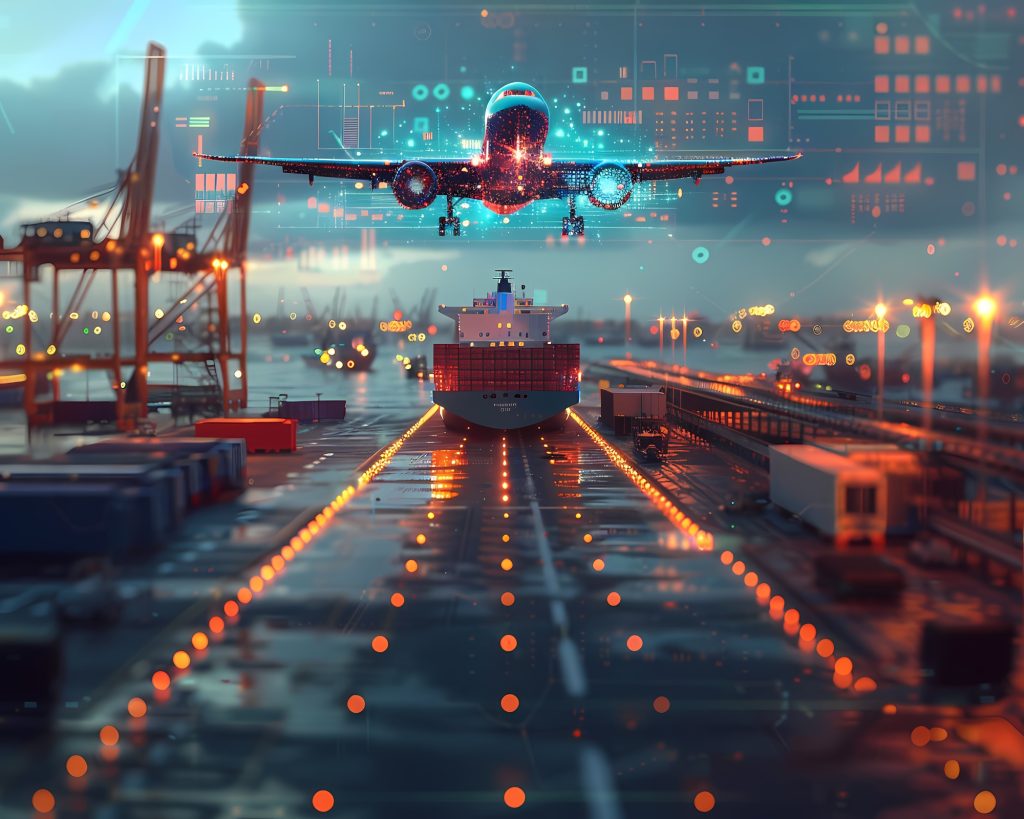
When running a business in Melbourne, one of the biggest decisions you’ll make in logistics is how to move your goods efficiently, by air freight or sea freight. Both options have their advantages, but choosing the right one can make a big difference to your bottom line, delivery times, and customer satisfaction. Let’s explore how air freight services and sea cargo freight compare, so you can find the perfect fit for your business needs.
What Is Air Freight and Why Melbourne Businesses Choose It
If speed is your top priority, air freight is the way to go. It’s ideal for urgent deliveries, perishable goods, or high-value products that need to reach customers fast. Melbourne’s international airport makes it easy to connect with global destinations, ensuring your cargo arrives in days instead of weeks.
With air freight services, you also get better reliability and tighter security compared to other shipping methods. However, these benefits come at a cost, air transport is generally more expensive and has limited capacity for bulk shipments. For businesses shipping smaller quantities or working with time-sensitive products, though, air freight can be a game-changer.
Understanding Sea Freight and Its Benefits for Melbourne Imports and Exports
For companies that deal in larger shipments or want to keep costs low, sea freight is often the smarter choice. Melbourne is home to one of Australia’s busiest ports, making sea cargo freight an accessible and affordable option for importing and exporting goods worldwide.
Sea freight allows you to move large quantities of goods efficiently at a fraction of the cost of air freight. It’s also a more sustainable option, producing fewer carbon emissions per tonne of cargo. The trade-off? Shipping by sea can take longer and may face occasional delays due to weather or customs checks. But if you plan ahead, sea freight is an excellent choice for bulk shipments that don’t require immediate delivery.
Key Differences Between Air Freight and Sea Freight
Here’s a quick breakdown of the main differences:
- Speed: Air freight is much faster; sea freight is slower but reliable for bulk transport.
- Cost: Sea freight is more economical; air freight services are costlier but faster.
- Capacity: Sea cargo freight handles larger volumes, while air freight suits lighter loads.
- Sustainability: Sea freight has a lower environmental impact.
- Best For: Air freight, urgent or high-value goods; Sea freight, heavy, non-urgent shipments.
How to Choose the Best Freight Option for Your Melbourne Business
Your decision depends on your priorities, speed, cost, or cargo volume. If you’re shipping electronics or perishable goods that can’t wait, air freight is worth the investment. If you’re transporting bulk goods like machinery, furniture, or raw materials, sea freight offers unbeatable value.
For many Melbourne businesses, the best approach is to combine both, using air freight for urgent orders and sea freight for bulk replenishments. Partnering with a reliable freight forwarder in Melbourne can help you balance costs and timelines effectively.
Conclusion
In short, air freight delivers speed and reliability, while sea freight offers affordability and capacity. The best choice depends on your business goals, shipment size, and delivery urgency. By understanding both options, you can create a smarter logistics strategy that keeps your Melbourne business competitive in the global market.